Victor Alves
Assistant Professor of Chemical Engineering @ Carnegie Mellon University.

Hi there! 👋
I am an Assistant Professor in the Department of Chemical Engineering at Carnegie Mellon University (starting August 2026). I hold a Ph.D. in Chemical Engineering from West Virginia University, and M.Sc. and B.Sc. degrees from the Federal University of Campina Grande, Brazil.
My research lies at the intersection of Process Systems Engineering (PSE), scientific machine learning (SciML), and rigorous optimization. I build hybrid models that enforce, and not merely inform, physics and machine learning simultaneously, so that data-driven models stay reliable, interpretable, and feasible across operating conditions and expected disturbances. I am especially excited about physics-enforced, generative, and agentic approaches that accelerate the loop from data → models → decisions for the design, control, and operation of chemical, energy, and biopharmaceutical systems.
I am also a strong advocate for open-source software in research and industry, having developed packages such as opyrability and Metacontrol. Along the way, I have built hands-on experience across the oil & gas, petrochemical, energy, and biopharmaceutical sectors.
news
| Apr 10, 2026 | Very exciting news! I have accepted an offer to join Carnegie Mellon University’s Department of Chemical Engineering as an Assistant Professor, starting August 2026! My group will develop hybrid scientific machine learning that merges first-principles physics with data-driven models for process design, control, optimization, and uncertainty quantification, with a strong focus on open-source tools for the chemical, energy, and biopharmaceutical sectors. |
|---|---|
| Apr 2, 2026 | Updated preprint! “A Simultaneous Approach for Training Neural Differential-Algebraic Systems of Equations” trains neural DAEs, a class of hybrid models that merges physics and machine learning, all at once via nonlinear programming. Check it out on arXiv. |
| Jan 27, 2026 | New co-authored preprint! We benchmark machine learning fault-detection methods on the classic Tennessee Eastman Process dataset. Available on ChemRxiv. |
| Jan 27, 2026 | New preprint! “Generative machine learning approaches to optimization” reframes root-finding, optimization, and parameter estimation as sampling from a learned distribution. Read it on ChemRxiv. |
| Jul 31, 2025 | New paper out! “Mapping uncertainty using differentiable programming” propagates and inverts uncertainty faster than Monte Carlo using a single model implementation. This is now available in the AIChE Journal. |
| Jan 22, 2025 | Our Comment “Beyond the fourth paradigm of modeling in chemical engineering” is out in Nature Chemical Engineering — we make the case that differentiable programming is reshaping how we model, teach, and practice chemical engineering! |
| Oct 22, 2024 | New paper as a co-author available! We employed a system identification technique using Gaussian processes. Available at the 2024 Power ASME proceedings |
| Oct 5, 2024 | New paper released! “On the selection of control structures using process operability analysis” presents a novel way to select control structures of plantwide systems, by taking advantage of process operability principles, namely the Operability Index (OI). It’s available on the Control Engineering Practice Journal |
| May 6, 2024 | I have joined Carnegie Mellon University as a Postdoctoral Fellow, under the supervision of Carl Laird and John Kitchin! |
| Apr 17, 2024 | I have successfully defended my PhD thesis under Dr. Fernando V Lima’s supervision, entitled “Strategies for Process Systems Mapping and Control Based on Operability Analysis”. You can download the thesis here. |
selected publications
2026
-
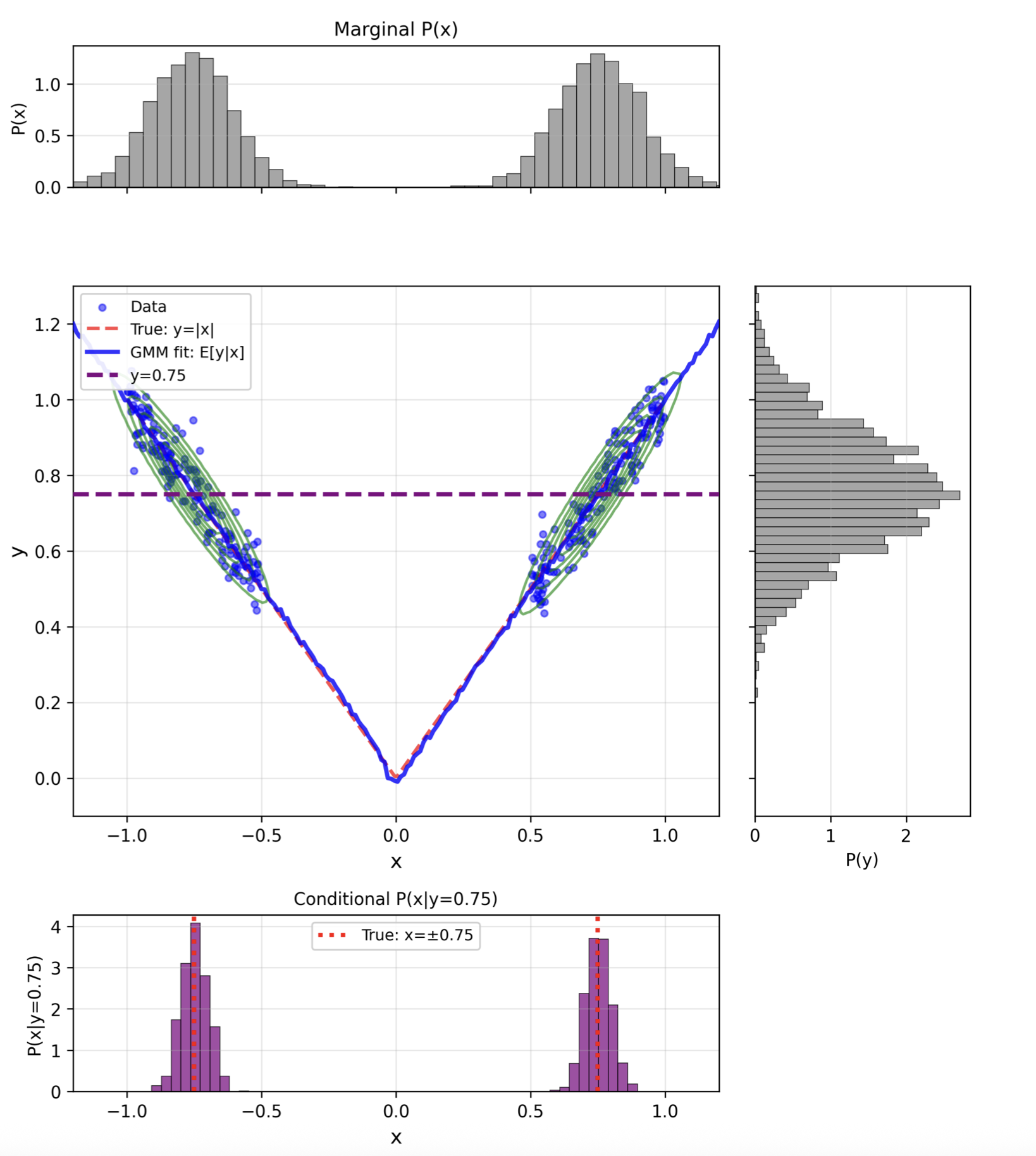 Generative machine learning approaches to optimizationChemRxiv, 2026
 -
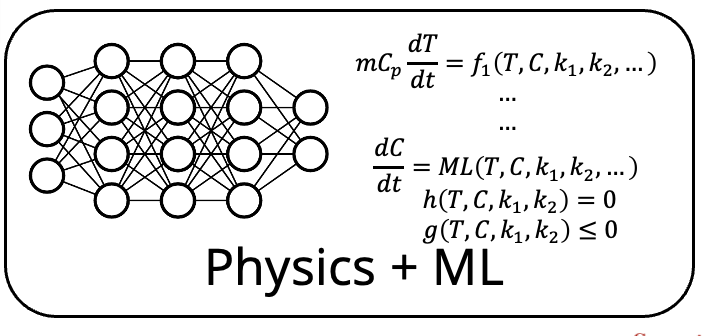 A Simultaneous Approach for Training Neural Differential-Algebraic Systems of Equations2026
 -
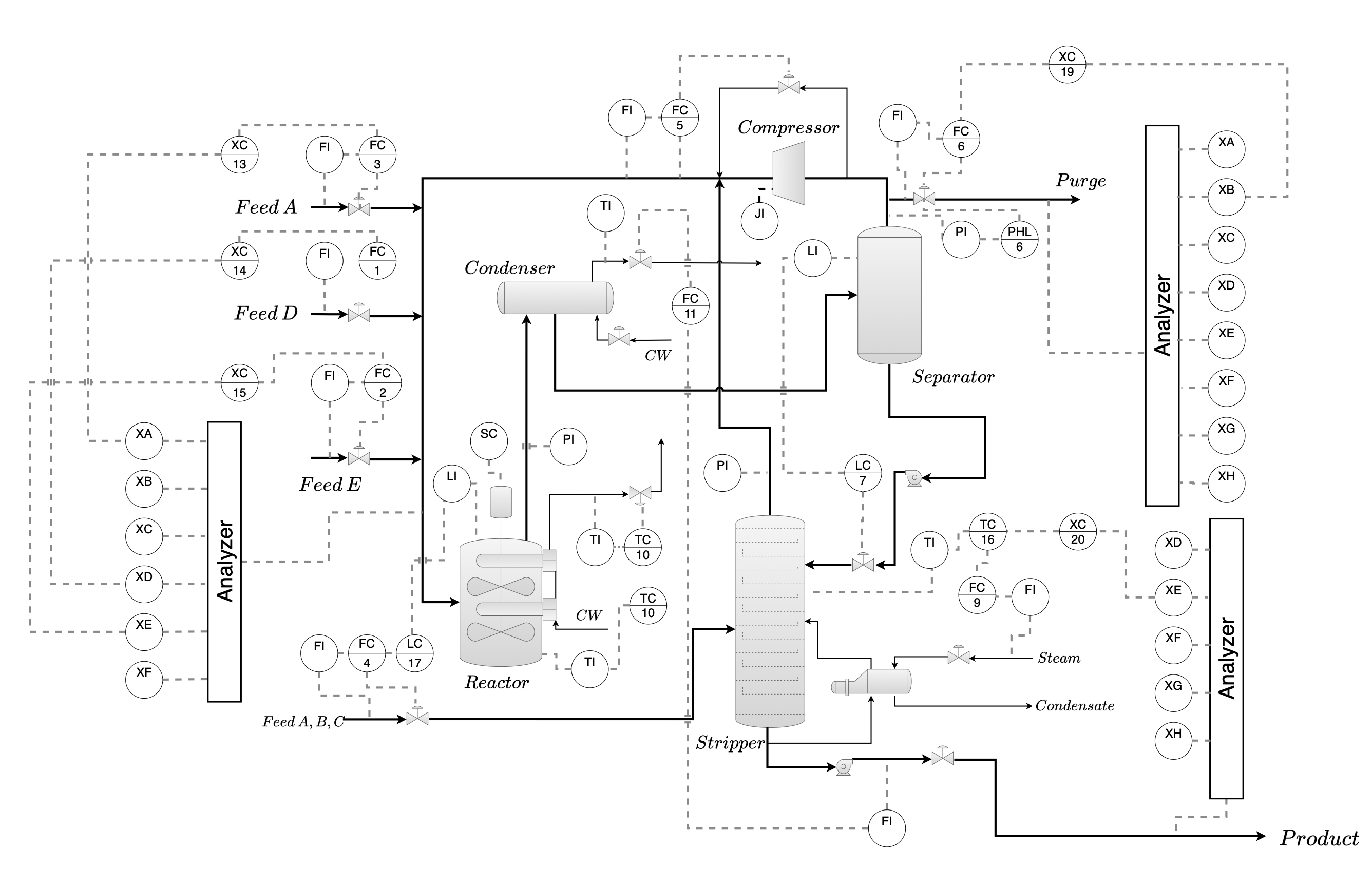 Benchmarking Machine Learning Fault Detection Methods on the Tennessee Eastman Process DatasetChemRxiv, 2026
2025
-
 Beyond the fourth paradigm of modeling in chemical engineeringNature Chemical Engineering, 2025
 -
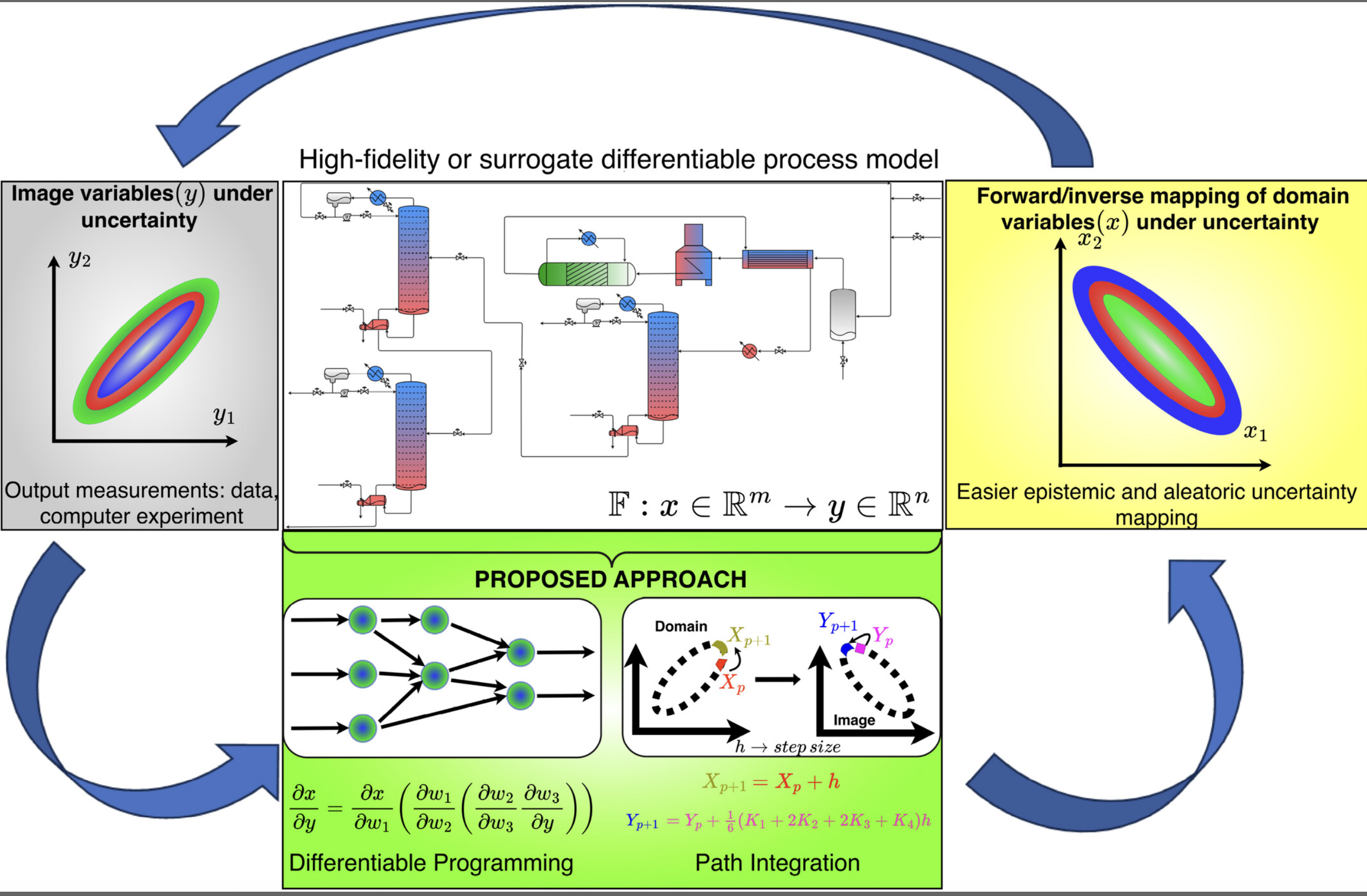 Mapping uncertainty using differentiable programmingAIChE Journal, 2025
2024
-
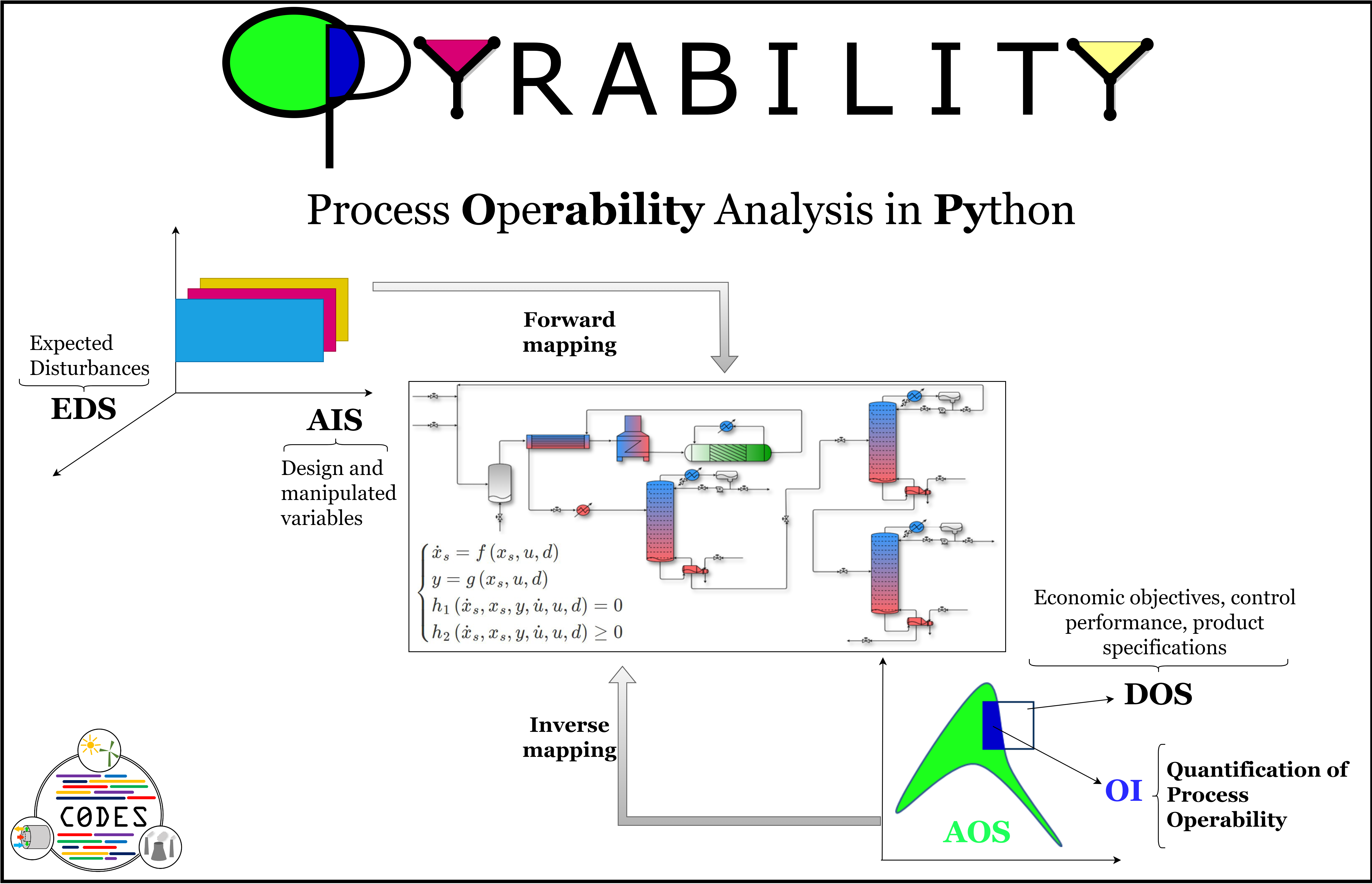 Opyrability: A Python package for process operability analysisJournal of Open Source Software, 2024
 -
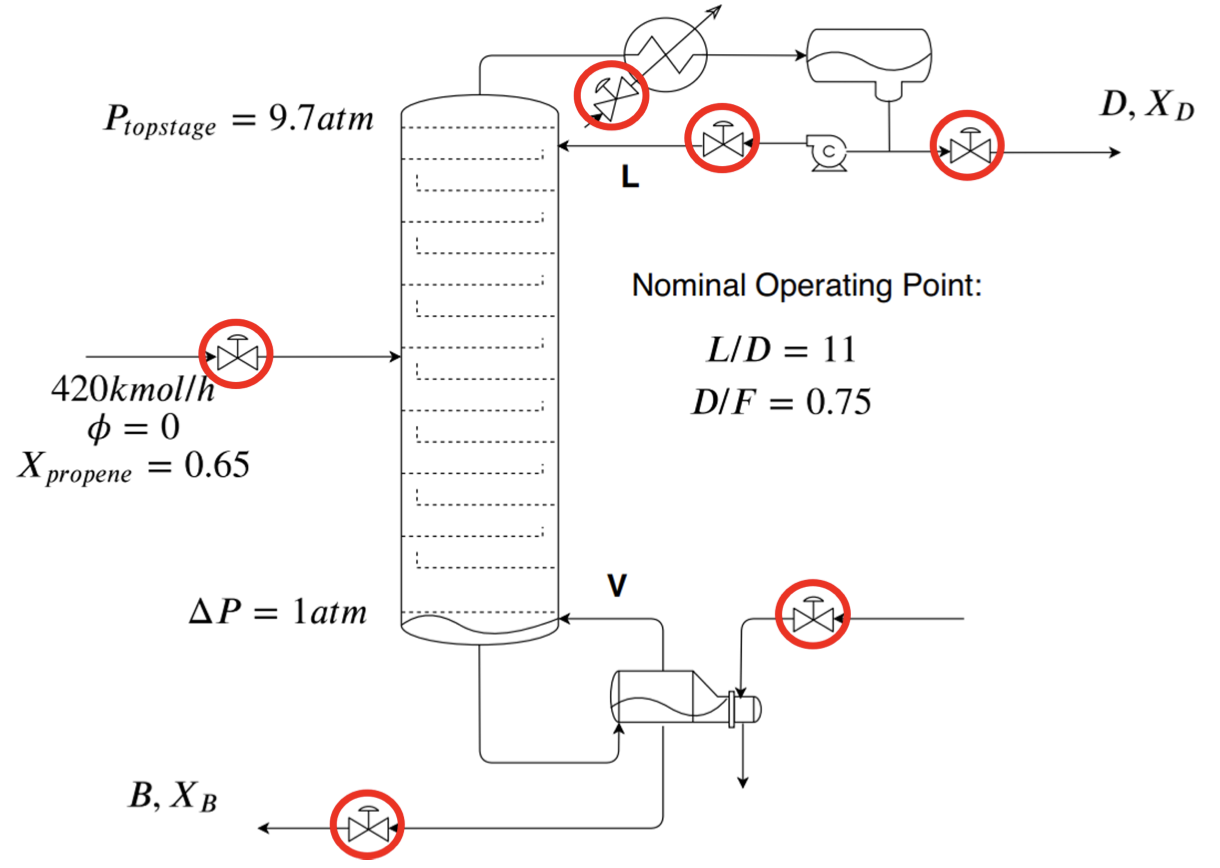 On the selection of control structures using process operability analysisControl Engineering Practice, 2024
2023
-
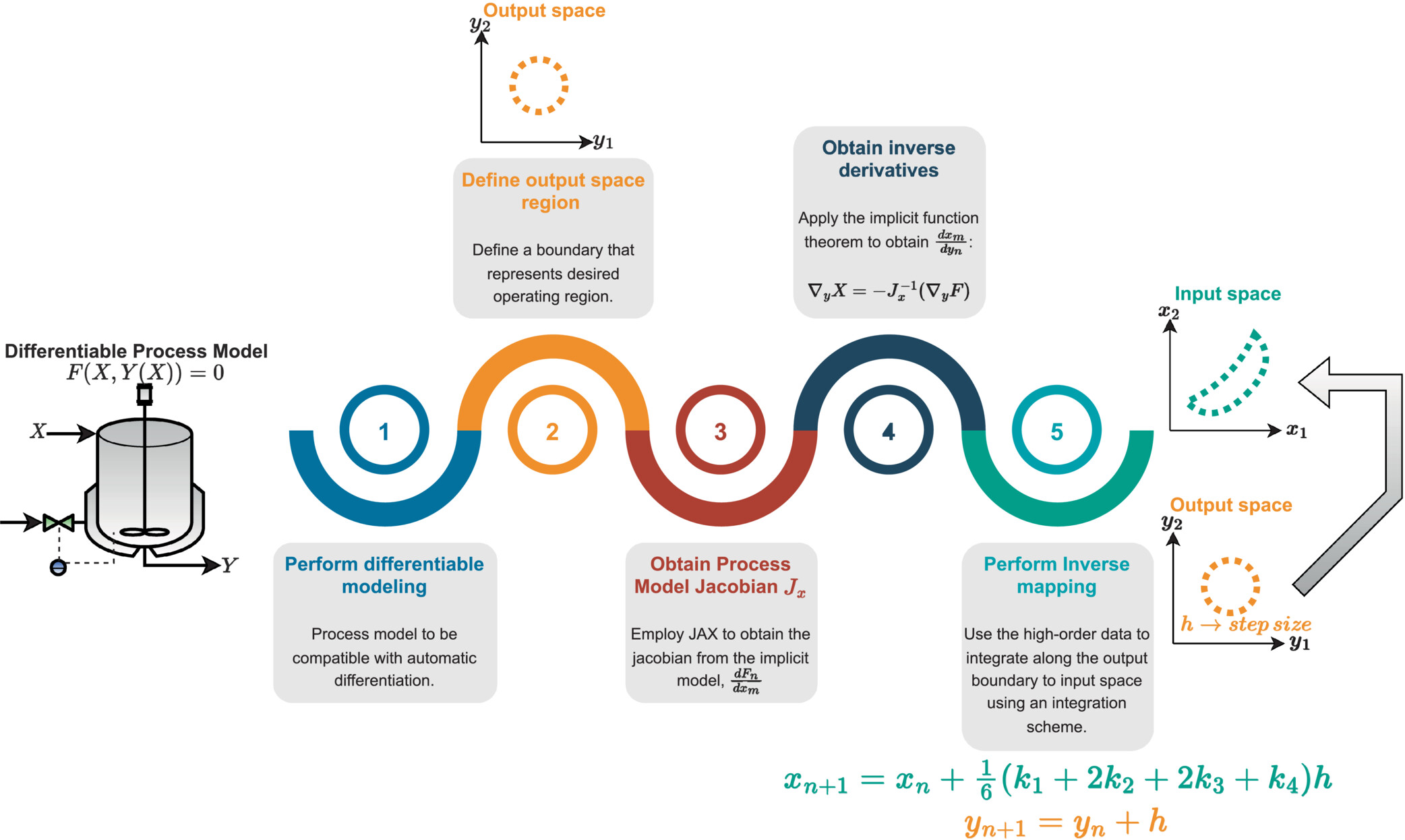 An inverse mapping approach for process systems engineering using automatic differentiation and the implicit function theoremAIChE Journal, 2023
 -
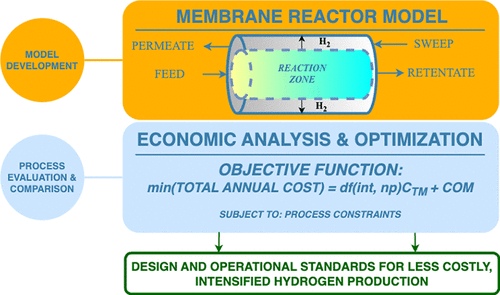 Techno-economic Analysis and Optimization of Intensified, Large-Scale Hydrogen Production with Membrane ReactorsIndustrial & Engineering Chemistry Research, 2023
2022
-
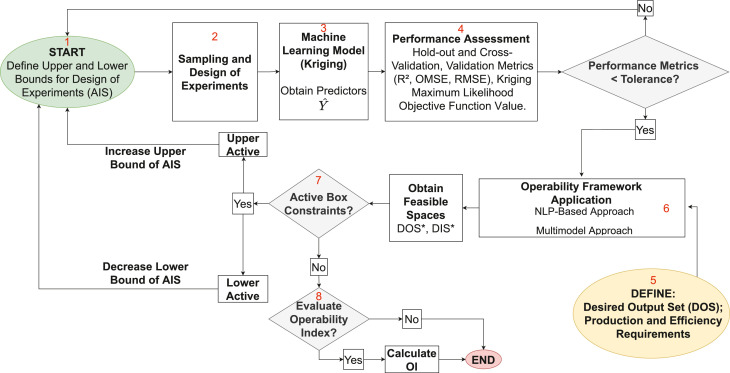 A machine learning-based process operability framework using Gaussian processesComputers & Chemical Engineering, 2022
2020
-
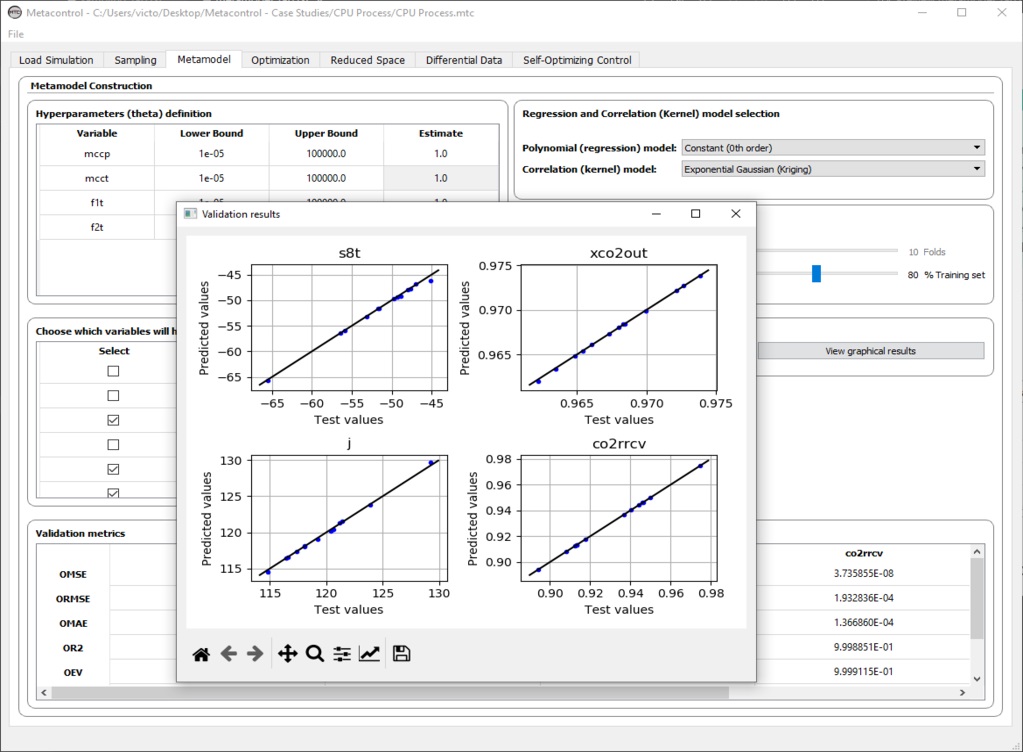 Metacontrol: A Python based application for self-optimizing control using metamodelsComputers & Chemical Engineering, 2020
2018
-
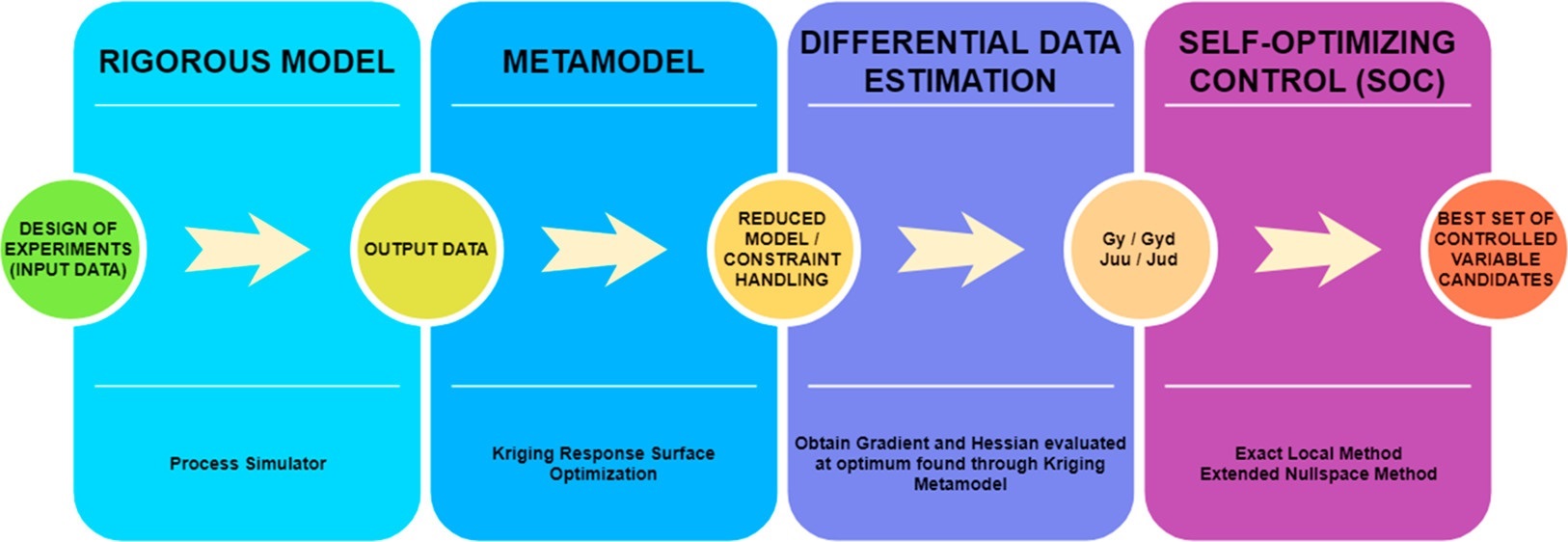 Metamodel-based numerical techniques for self-optimizing controlIndustrial & Engineering Chemistry Research, 2018